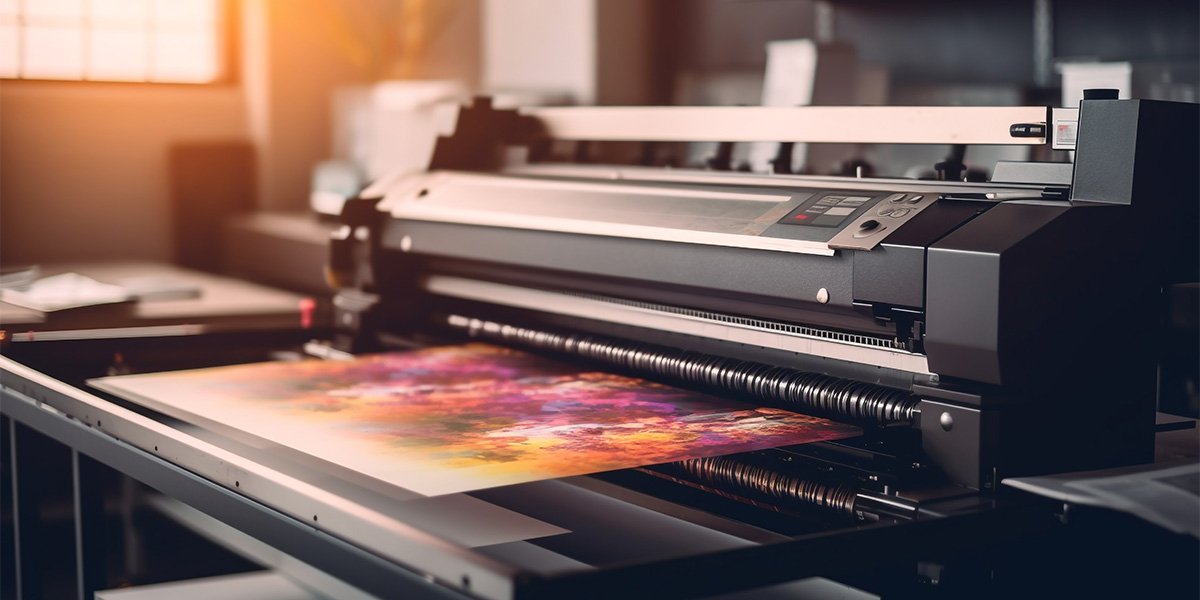
Printers have become a necessary tool for both personal and professional use in our technologically evolved society. But just like any other piece of equipment, printers eventually wear down and need to have parts replaced from time to time. This means regular maintenance is necessary to keep them operating smoothly. One essential component of printer maintenance that can increase the device's lifespan and performance is replacing worn-out parts.
Printers are complex devices with moving elements that can break down or stop working with repeated use. Among the common parts that may require replacement are trays, rollers, belts, fusers, print heads, and ink cartridges. Knowing when and how to replace these components can have a big impact on the output quality and overall efficiency of the printer.
The ink cartridge is one of the components of a printer that has to be changed the most. Depending on the printer model, these cartridges might be either toner or inkjet, and they hold the ink utilised for printing. Replacing the cartridge when the ink levels are low guarantees continuous printing and guards against dried-out ink that could harm the printer head.
The print head is another essential part. Print head clogging or damage over time can result in problems with print quality, including streaks or missing lines. In these situations, changing the print head is required to get the printer working again and provide the best possible prints.
Paper feeding and movement within the printer depend on printer rollers and belts. Paper jams and misfeeds can be caused by filthy or worn-out rollers, which can interfere with printing. The printer's dependability can be preserved and interruptions avoided by routinely checking these components and replacing them when wear starts to show.
A printer's fuser unit, which uses pressure and heat to fuse ink or toner to paper, is an essential component of the printing process. A faulty fuser may result in smeared prints or paper jams. Resolving a malfunctioning fuser guarantees reliable and superior print quality. Printer manuals and online guides from manufacturers frequently include comprehensive instructions, which facilitate user accessibility.
For compatibility and best results, it's essential to get authentic replacement components that fit the printer model. Third-party or aftermarket parts may be less expensive, but they run the risk of compromising print quality and even breaking the printer. Frequent maintenance, such as periodic part changes, prolongs the printer's life and reduces the need for expensive future repairs or replacements. Optimising the printer's efficiency and output can also be achieved by adhering to the manufacturer's recommended maintenance practices.
In summary, the performance and longevity of a printer are directly impacted by the replacement of printer parts, which is a crucial component of printer maintenance. Through comprehension of the printer's constituent elements, identification of wear indicators, and timely substitution of worn-out components with authentic alternatives, users can guarantee seamless printing operations and uphold output of superior quality.